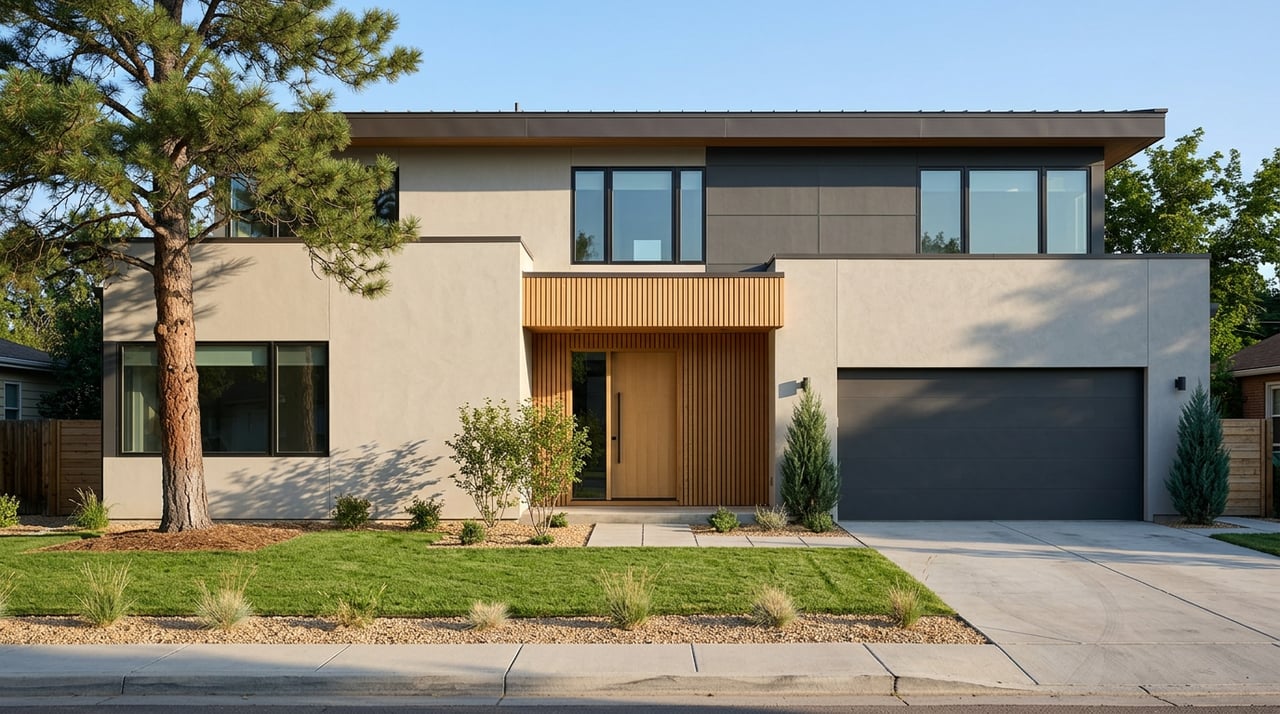
If you want more space, quick access to the outdoors, and a commute that still fits a busy workweek, Centennial should be on your shortlist. You get the feel of a well-run suburban city with shopping, parks, and transit close by. In this guide, you’ll see what daily life looks like, how long typical commutes take, and where the most convenient pockets tend to be. Let’s dive in.
Centennial at a glance
Centennial covers about 29.7 square miles with roughly 109,000–110,000 residents, according to the latest U.S. Census QuickFacts for Centennial. The city skews owner-occupied, with about 80.6% of homes owner-held, and commutes average about 25.9 minutes citywide. Those baselines signal a suburban lifestyle with moderate metro commutes.
Local data shows about 42,000 housing units in the city, reinforcing Centennial’s strong homeowner base and family-friendly setup. You can explore city demographics and data points on the City of Centennial’s Data & Demographics page. QuickFacts also highlights a six-figure median household income and a highly educated population, which helps explain the strong demand for parks, programs, and everyday conveniences.
Housing options and neighborhoods
You will find a wide mix of homes. Many single-family neighborhoods date from the late 20th century, with mature trees and established blocks. You will also see townhomes and newer multifamily buildings near the I‑25 corridor, SouthGlenn, and the Dry Creek light-rail area, where the city supports mixed-use, transit-oriented projects like The District-Centennial. For planning details, see the city’s District-Centennial FAQs.
Single-family streets
Across Centennial, most streets are single-family, owner-occupied, and conveniently close to parks and retail. Western areas near Highlands Ranch and Lone Tree tend to include master-planned communities and some larger lots. East and northeast areas mix newer development with smaller-lot infill, giving you more variety if you prefer low-maintenance yards.
Townhomes and condos near transit
If you want a simpler lock-and-leave setup or easier light-rail access, focus on pockets near Dry Creek Station and around The Streets at SouthGlenn. Transit-adjacent areas and mixed-use nodes often attract buyers who want to streamline weekday commuting and enjoy walkable dining and errands.
What to budget
Aggregator sites placed typical Centennial home values in the low-to-mid $600Ks in late 2025. Prices shift monthly, so date any figure you use and check current MLS data before you write an offer. A quick rule of thumb: single-family homes lead the market, and well-located condos or townhomes near transit and SouthGlenn often draw steady demand.
Commute guide: routes, rail, and timing
Centennial’s mean travel time to work is about 25.9 minutes citywide, based on Census QuickFacts. Most residents drive, which fits the suburban pattern. Your specific time depends on where you live and when you leave, so use the ranges below as a planning tool and test your route at peak times.
Key driving corridors
- I‑25 runs north–south to the Denver Tech Center and downtown.
- Arapahoe Road is a major east–west arterial through the city.
- Parker Road (CO‑83) offers another north–south path, especially for eastern neighborhoods.
- C‑470/CO‑470 provides a west and south bypass.
- E‑470 is a 47‑mile tolled eastern beltway that helps you skirt central congestion and reach the airport more directly. Learn more about routes and tolling on the E‑470 Public Highway Authority site.
Expect routine slowdowns on I‑25 and Arapahoe during rush hour. Many locals leave earlier or use transit for downtown trips to avoid peak congestion.
To the Denver Tech Center (DTC)
From much of Centennial, the DTC is often about 10–25 minutes by car, depending on your start point and traffic. If you prefer rail, Dry Creek and Arapahoe at Village Center connect you to the Southeast light-rail corridor. You can check station specifics on RTD’s Dry Creek Station page.
To downtown Denver
Plan for about 20–40 minutes by car, route, and traffic. Many commuters use light rail to avoid downtown parking and highway delays. If you go that route, budget time for transfers at Union Station when needed and confirm current schedules the week you ride.
Transit tips and parking
Dry Creek is a park‑and‑ride light-rail station that serves many Centennial commuters. Parking demand there is often high, and city planning for The District-Centennial anticipates more mixed-use activity around the station with managed parking. For context, see the District-Centennial FAQs and double-check the RTD Dry Creek Station page before your first commute.
Airport access
Centennial is served by two airports. Centennial Airport (KAPA/APA) is a busy general‑aviation reliever that handles corporate and training flights near the south metro area. For flight operations and community noise resources, visit the Centennial Airport official site. Denver International Airport is reachable via I‑225/I‑70 or E‑470, with E‑470 often used to avoid central congestion.
Parks, trails, and weekend fun
You have abundant outdoor access. The South Suburban Park & Recreation District operates more than 100 parks, 100+ miles of trails, recreation centers, pools, leagues, and drop‑in classes in and around Centennial. Explore the system and facilities like Goodson Recreation Center, Family Sports Center, and the South Suburban Sports Complex on South Suburban’s site.
A short drive away, Cherry Creek State Park offers a reservoir for boating and paddle sports, miles of trails, and a popular beach and camping area. For a broad overview of the park’s amenities within Colorado’s statewide system, reference this guide to Colorado’s state parks.
Everyday convenience: shopping, dining, care
The heartbeat of shopping and dining in Centennial is The Streets at SouthGlenn, a mixed‑use center with groceries, restaurants, entertainment, and events. To see redevelopment context and plans, visit the city’s Streets at SouthGlenn page. For a broader retail day, Park Meadows in nearby Lone Tree and the DTC corridor are short drives with additional dining and services.
Healthcare is well distributed across the south metro area, including major hospital campuses to the west and south, plus clinics and urgent care in the DTC and Inverness employment nodes. Availability varies by neighborhood, so factor your preferred providers into your home search radius.
Schools and districts: neutral, factual overview
Most of Centennial is served by Cherry Creek School District, while parts of the city are served by Littleton Public Schools. Each district operates multiple elementary, middle, and high schools, along with specialty programs. For district mapping and links to individual schools, start with the Cherry Creek district information site. Always verify attendance boundaries directly with the district before you rely on them in your move plan.
How Centennial compares nearby
- Centennial vs Highlands Ranch. Highlands Ranch is a large master‑planned community with extensive HOA programming and somewhat larger average lots in many areas. Centennial offers more variety in housing age and price points, plus strong access to Dry Creek light rail and SouthGlenn’s mixed‑use core.
- Centennial vs Lone Tree. Lone Tree is compact and retail‑forward around Park Meadows and Lincoln Station. Centennial trades a larger selection of residential neighborhoods for closer proximity to some DTC employment pockets and SouthGlenn amenities.
- Centennial vs Parker. Parker sits farther southeast with a more small‑town, master‑planned feel. Commutes to the DTC or downtown are often longer from Parker. Centennial’s closer access to I‑25 and Arapahoe Road typically trims drive time if your office is central or in the DTC.
- Centennial vs Greenwood Village. Greenwood Village and the core DTC are employment‑oriented, with a high concentration of office campuses. Centennial leans more residential with broader park assets, while light rail connects the two for riders.
A simple commute test checklist
Use this quick process to pressure‑test your routine before you buy:
- Map two routes to work and run them during your actual peak times on at least two weekdays.
- Time a third option that uses light rail from Dry Creek or Arapahoe at Village Center, and check the RTD Dry Creek Station page the week you ride.
- If you travel often, drive to DIA using I‑225/I‑70 once and E‑470 once to compare time vs tolls. Review the E‑470 overview before you go.
- Note evening return times to favorite after‑school activities, your gym, and SouthGlenn to see how your week flows.
Is Centennial a fit for your next move?
If you want a suburban home base with reliable commutes, a deep bench of parks and classes, and easy errands, Centennial delivers. You can live on a quiet single‑family street, keep your DTC or downtown trip under control, and spend weekends on the trail or at the reservoir.
If you are weighing neighborhoods or want current pricing and inventory, let’s talk. You can start with a quick check of city data on Census QuickFacts, then get neighborhood‑level insight, school boundary guidance, and on‑the‑ground commute testing support. For a tailored plan or a free valuation of your current home, connect with The Corbitt Group.
FAQs
How long are typical commutes from Centennial to the DTC or downtown?
- Citywide mean commute is about 26 minutes. Many areas are about 10–25 minutes to the DTC and 20–40 minutes to downtown, depending on traffic and route. Always test your specific path at peak times, and consider light rail from Dry Creek.
What transit options serve Centennial if I do not want to drive daily?
- RTD’s Southeast light‑rail corridor serves Dry Creek and Arapahoe at Village Center, giving you a car‑optional path to the DTC and downtown. Check the RTD Dry Creek Station page for current details.
What kinds of homes are most common in Centennial?
- Predominantly owner‑occupied single‑family homes, with townhomes and newer multifamily clustered near Dry Creek and SouthGlenn. Aggregator sites placed typical values in the low‑to‑mid $600Ks in late 2025. Verify current numbers with MLS data.
How is the parks and recreation access for families?
- South Suburban Park & Recreation runs more than 100 parks, 100+ miles of trails, and multiple centers with pools, leagues, and classes, and Cherry Creek State Park adds water access and regional trails nearby.
Is Centennial walkable, or will I need a car?
- Most neighborhoods are suburban and car‑oriented. For better on‑foot access, focus on nodes around The Streets at SouthGlenn and transit‑adjacent pockets near Dry Creek, which offer dining, errands, and services close together.
What should I know about airports and flight noise?
- Centennial Airport is a busy general‑aviation facility near the south metro area. If aircraft activity matters to you, review operations and community noise resources on the Centennial Airport site and visit target neighborhoods at different times of day.