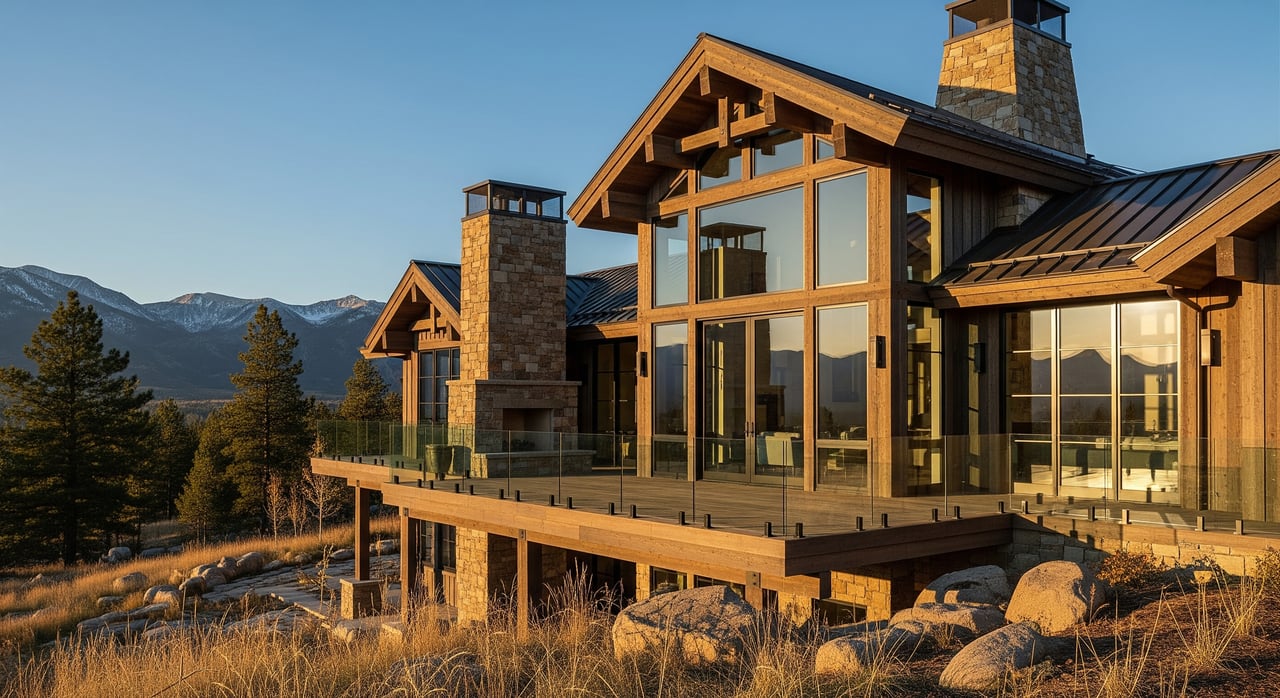
Dreaming of big mountain views and weekends on the trails, but want everyday comfort that actually works in winter? In Evergreen, buyers look for homes that feel warm, live efficiently, and handle snow, wind, and wildfire seasons with ease. If you are buying, you will learn how to spot features that matter most. If you are selling, you will see which upgrades and highlights can make your home stand out without overdoing it. Let’s dive in.
Evergreen context: why features matter
At roughly 7,000 to 8,000 feet, Evergreen sits in a true mountain climate with cold winters, strong sun, and real snow loads. That affects how homes are built and lived in, from window performance and roof shape to driveway access and heating systems. South-facing exposure can bring bright winter light and passive warmth when paired with the right glazing and shading.
Many Evergreen properties are in or near wildland‑urban interface zones. Defensible space, ember-resistant materials, and wildfire mitigation are not just safety measures. They can influence insurance options and buyer confidence. Steep roads and driveways add another layer, so heated or well-protected garages and practical snow strategies often move a home higher on a buyer’s list.
Top Evergreen features buyers love
South-facing exposure and daylighting
Buyer benefits: Winter sunlight, warmer and brighter interiors, and better solar potential. Living rooms and kitchens oriented to the south feel inviting on cold days.
Design and maintenance notes: Deep eaves or exterior shading can control summer heat while keeping winter gains. Balance large south windows with high-performance glazing and good insulation to prevent overnight heat loss.
Seller tips: If you have good southern light, highlight it in photos and copy. Note window specs and any shading design so buyers can understand the comfort and efficiency story.
Gear storage and real mudrooms
Buyer benefits: Skis, boots, bikes, snowshoes, and muddy dogs need a landing zone. Organized storage keeps moisture and grit out of your main living areas and makes daily life easier.
Design and maintenance notes: Durable, water-resistant finishes and built-ins matter more than décor. Bench seating, hooks, cubbies, ventilated cabinets, and laundry next door are big wins. A spot for boot drying and helmet storage is a plus.
Seller tips: Stage this area with labeled zones for winter and summer gear. Show function with clear photography so buyers can picture their routines.
Heated garages and vehicle storage
Buyer benefits: Warm starts on frigid mornings, safer storage for equipment and vehicles, and a usable workspace in winter. Even an insulated, well-sealed garage improves comfort.
Design and maintenance notes: A small dedicated heater or radiant floor can manage ice and slush. Keep garage air separated from the home’s living spaces to avoid fumes. Insulation and air sealing deliver major benefits with lower ongoing cost than fully conditioning the space.
Seller tips: Call out insulation levels, door upgrades, and heat source if present. If you do not heat, emphasize weather protection and storage systems.
Open great rooms, high ceilings, and framed views
Buyer benefits: A gathering space that captures mountain and forest views is a signature Evergreen feature. Open plans support entertaining and day-to-day connection.
Design and maintenance notes: Vaulted spaces can be more expensive to heat. Efficient windows, strong insulation, ceiling fans, and zoned HVAC help. A clean-burning, properly permitted gas or wood stove can provide cozy, localized warmth.
Seller tips: Arrange furniture to frame the view and show scale. Note efficiency features that keep the space comfortable.
Efficient windows and a tight envelope
Buyer benefits: Less draft, lower energy bills, and fewer condensation issues on cold nights. Comfort is the big story here.
Design and maintenance notes: ENERGY STAR-rated windows with low‑E coatings and the right glass package for each exposure make a noticeable difference. Triple-pane can be worth it in colder zones, especially on large expanses of glass. Proper installation and air sealing are just as important as the window specs.
Seller tips: If you upgraded windows or added insulation, list the U-factor and any air sealing work. Buyers appreciate specifics.
Indoor–outdoor living built for four seasons
Buyer benefits: Decks, covered porches, and outdoor cooking zones extend living space and celebrate the Evergreen lifestyle. Covered or heated areas stretch the season into spring and fall.
Design and maintenance notes: Choose materials that handle freeze–thaw cycles and snow, like composite decking and corrosion-resistant fasteners. In WUI areas, favor ember-resistant details and coordinate defensible space with landscape design. Engineer roofed areas to handle snow loads.
Seller tips: If you have a covered zone or wind-protected nook, style it for shoulder-season use. Mention materials and any fire-resistive choices.
Mechanical systems for mountain comfort
Buyer benefits: Reliable, efficient heat that feels great in deep cold is a top priority. Radiant in-floor heat is popular for even comfort. Many buyers want smart, cold-capable heat pumps paired with backup heat, or a well-maintained stove for power outages.
Design and maintenance notes: Equipment should be sized for mountain design temperatures. Keep chimneys and stoves cleaned and inspected. Consider fuel availability, permitting, and maintenance requirements when choosing systems.
Seller tips: Provide recent service records, equipment ages, and efficiency ratings. If you installed a cold-climate heat pump or radiant floors, feature those prominently.
How these features influence value
Homes that reduce daily friction in the mountains often sell faster and with stronger interest. Clear south exposure, practical mudrooms, insulated garages, view-forward great rooms, and wildfire-hardening signal a turnkey experience. Buyers notice operating costs and maintenance, so upgrades that tighten the envelope or simplify snow season carry weight.
Functional, midrange improvements usually offer the best balance of appeal and cost. Think mudroom organization, garage insulation, air sealing, and entry enhancements. High-end custom elements like a fully heated garage or expansive glazing can broaden the buyer pool in Evergreen, even if percentage ROI varies. Focus on comfort, safety, and lifestyle fit when telling your home’s story.
Practical constraints to keep in mind
Wildfire and WUI requirements
Create and maintain defensible space and choose ignition-resistant materials for roofing, siding, vents, and decks where applicable. These choices can affect insurance and buyer confidence.
Snow loads, roofs, and ice control
Roof pitch, snow shedding, and drainage matter at elevation. Durable roofing, proper insulation and ventilation, and heated gutters or downspouts in problem areas can prevent ice dams.
Water, septic, and utilities
Many mountain lots rely on wells and on-site septic. Verify well yield, water rights as applicable, septic capacity, and permits before planning additions or accessory structures.
Access and roads
Steep driveways and private roads require a plan for snow removal and safe year-round access. Buyers value straightforward winter maintenance and room to stage plows or sand.
Insurance and ownership costs
Wildfire history, access, and materials can influence premiums and availability. Clear documentation of mitigation work and safe access supports smoother underwriting conversations.
HOA, covenants, and design rules
Some subdivisions set standards for exterior materials, colors, decks, and solar installations. Review guidelines early so your upgrade plans align with community requirements.
Quick checklists
If you are buying in Evergreen
- Lot and home orientation with meaningful south exposure for main living spaces.
- High-performance windows, solid insulation, and evidence of air sealing.
- Real mudroom with durable finishes, storage, and laundry adjacency.
- Insulated or heated garage with good separation from living spaces.
- View-forward great room with zoning, fans, and efficient heating.
- Defensible space, screened vents, and ember-resistant exterior details.
- Roof condition, snow load design, and drainage solutions.
- Driveway grade, snow removal plan, and year-round access.
- Water source, septic condition, and permits for past improvements.
If you are selling in Evergreen
- Stage the mudroom and gear storage with clear zones and labels.
- Document window, insulation, and mechanical upgrades with specs.
- Highlight south light, view corridors, and covered outdoor spaces.
- Emphasize garage insulation and any heating or storage systems.
- Show wildfire mitigation work and easy-to-maintain landscaping.
- Share service records for HVAC, chimney, roof, and septic.
A mountain home that feels bright, warm, safe, and easy to live in all year stands out in Evergreen. If you are planning a purchase or prepping a sale, we can help you focus on the features that matter most in this market. For personalized guidance or a pricing strategy tailored to your home, connect with The Corbitt Group.
FAQs
Do south-facing windows actually help in Evergreen?
- Yes. Properly oriented south glazing can add welcome winter warmth and light, especially when paired with the right shading, insulation, and high-performance windows.
Is a heated garage worth it for Evergreen’s winters?
- For many buyers it is a comfort and convenience upgrade, though an insulated, well-sealed garage already delivers big benefits with lower ongoing energy use.
Will triple-pane windows pay off in a mountain climate?
- They cost more upfront, but they improve comfort, reduce drafts and condensation, and can lower heating demand, which many Evergreen buyers value.
How important is wildfire hardening for resale in Evergreen?
- Very important. Defensible space and ember-resistant details can influence insurance options and give buyers confidence in the property’s risk profile.
What are the downsides to vaulted great rooms in Evergreen homes?
- They can be harder to heat and maintain, but efficient windows, strong insulation, ceiling fans, and zoned systems reduce energy penalties.
Should I feature my mudroom and gear storage in the listing?
- Yes. Clear, photo-ready organization helps buyers see how the home supports an active mountain lifestyle and everyday winter routines.