If you want a neighborhood where you can grab coffee, stroll to dinner, browse local shops, and still stay close to trails and green space, Historic Downtown Littleton stands out. For many buyers, the appeal is not just the architecture or the charm. It is the way daily life can feel connected, convenient, and a little more local. If you are exploring homes near downtown Littleton, here is what everyday life really looks like and why the area continues to draw attention. Let’s dive in.
What living near downtown feels like
Historic Downtown Littleton functions as an active town center, not a preserved block that only comes alive on weekends. According to the City of Littleton, the Downtown Littleton Historic District includes Main Street, Alamo Avenue, and the streets in between, with a mix of commercial, civic, and residential properties nearby. That blend helps create a lived-in feel where homes, storefronts, and public spaces all work together.
You will also notice that the area is visually layered. The downtown visitor resources describe a mix of historic storefronts, preserved homes, and midcentury modern architecture in downtown and adjacent areas. In practical terms, that means your walk around the neighborhood can include older buildings with character, local businesses, and a streetscape that feels established rather than overly uniform.
Walkability for daily routines
One of the biggest draws near Historic Downtown Littleton is how easy it is to build simple routines close to home. The downtown area is centered around shopping, services, and dining, which means errands and casual outings can often happen within the same few blocks. That is a big part of what gives the area its everyday appeal.
This is not a district built only for an occasional night out. The downtown business directory includes food and beverage spots, specialty stores, gifts and galleries, wellness businesses, personal care, services, entertainment venues, civic organizations, and lodging. That range supports a more practical, full-week rhythm instead of a single-use destination.
Dining, shops, and local stops
If you enjoy having options close by, downtown Littleton offers a broad mix of businesses in a relatively compact area. Current downtown listings include places such as Café Terracotta, Cencalli Taqueria, iN-TEA, Inside Scoop Creamery, Kate’s Wine Bar, Black+Haus Tavern, and Town Hall Arts Center. You are not limited to one type of experience, which makes it easier to picture weekday lunches, casual meetups, and weekend plans all in the same district.
The mix also helps the area feel useful at different times of day. You might start with coffee, stop into a service business, browse a boutique, and end the evening with dinner or a show. For buyers comparing suburban locations, that kind of flexible convenience can be hard to find.
Community events add energy
A downtown district feels different when there is a steady calendar of activity, and Littleton has that built in. The downtown events calendar highlights recurring events like Wine Walks, Candlelight Walk, and Goblin Give Out. These events are organized around local businesses and bring people into the district throughout the year.
That matters because it gives the neighborhood a sense of rhythm. Instead of relying on one major annual event, downtown supports regular gatherings that keep Main Street active and familiar. For residents, that can make the area feel more engaging without losing its local scale.
Parks and trails close to home
Living near downtown Littleton does not mean giving up access to outdoor space. South Platte Park and Carson Nature Center are one of the strongest outdoor anchors near the historic core. South Suburban describes the park as an 880-acre natural oasis along the South Platte River and Mary Carter Greenway Trail, with fishing lakes, kayaking on the river, natural-surface trails, and 3.5 miles of paved regional trail connections.
That kind of access can shape your weekly routine in a meaningful way. You can fit in a morning walk, a bike ride, or a few quiet hours outdoors without planning a full day trip. For many buyers, that balance between downtown activity and nearby nature is a major reason Littleton stands out.
Hudson Gardens brings another layer
Hudson Gardens adds even more variety to the lifestyle mix. Its official site notes more than 30 acres of garden exhibits, trails, open space, and event venues just minutes from downtown Littleton, with free daily admission from sunrise to sunset. The grounds also connect with a steady lineup of classes and events.
There is also a coffee stop at the Mary Carter Greenway Trail entrance, which reinforces how easy it is to combine outdoor time with everyday routines. If you like the idea of gardens, walking paths, and low-key local outings close to home, Hudson Gardens is a meaningful nearby amenity.
Transit and parking options
For many buyers, convenience is not only about walkability. It is also about how easily you can get in, out, and around the area. RTD’s Littleton/Downtown Station at 5777 S Prince St serves the D Line, four bus routes, and one FlexRide route, with 361 parking spaces.
The downtown visitor information notes that from the station, you can walk one block north on Prince Street to reach Main Street. It also notes street parking throughout downtown, two RTD lots, and paid parking in the Reinke Brothers lot. In real life, that means the area supports several patterns at once, whether you prefer to walk, drive, or mix both.
What homes near downtown look like
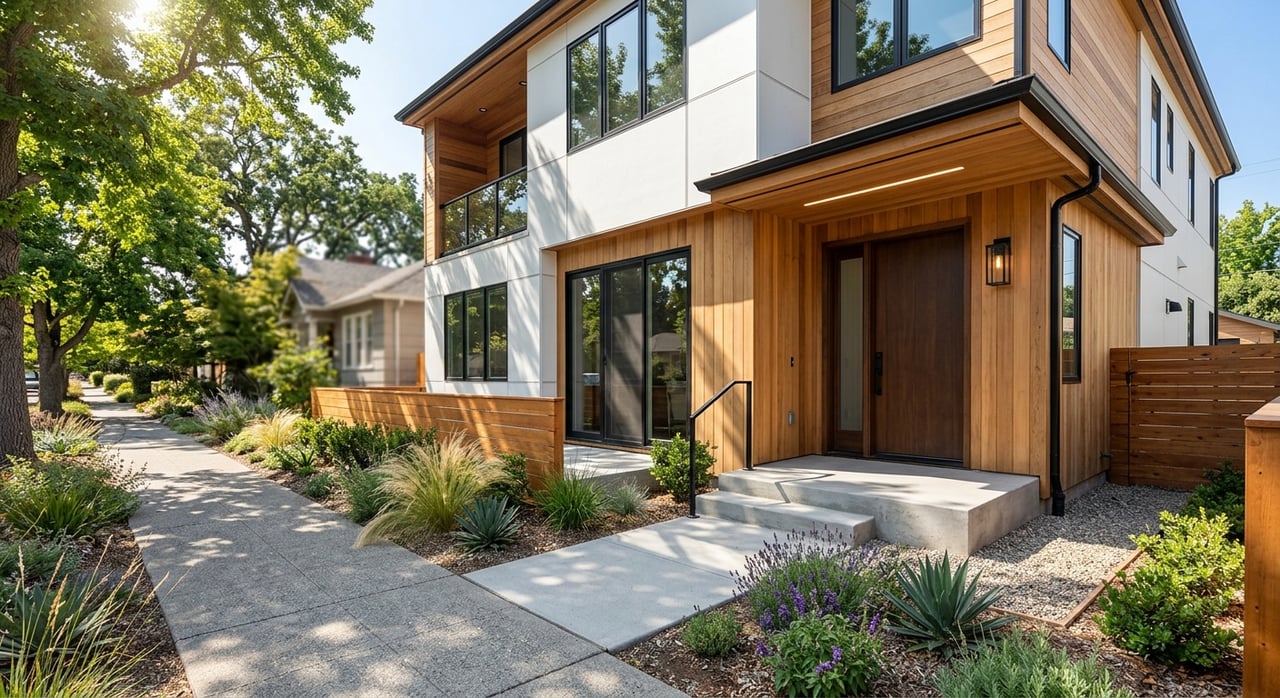
If you are home shopping near Historic Downtown Littleton, the housing stock is not all one style. The city’s historic district inventory shows residential properties woven into and around the downtown blocks, including homes on streets such as Alamo, Curtice, Prince, Nevada, Rapp, and Sycamore. There is also the nearby Louthan Heights Historic District on the 5600 block of Louthan Street.
That suggests a more varied residential setting than you might expect. Instead of one large master-planned neighborhood, you will find a patchwork of older homes, preserved residences, and established streets close to the core. For buyers who value character and location, that can be a strong fit.
Midcentury and newer housing nearby
The area around downtown also includes more than historic-era homes. The City of Littleton highlights a concentration of modernist buildings from the 1950s, 1960s, and 1970s along West Littleton Boulevard between South Broadway and Old Downtown Littleton. That gives the broader area another architectural layer.
Farther south, city development materials point to newer mixed-use and multifamily projects near Santa Fe Drive and Littleton/Mineral Station. Those materials describe housing paired with retail, plazas, and transit connections. For buyers, that means the broader downtown area can include historic homes, midcentury properties, attached housing, condos, and newer apartment-style development depending on the specific pocket.
Who might enjoy this lifestyle most
Living near Historic Downtown Littleton can appeal to a few different types of buyers. If you want a neighborhood where dining, errands, arts, trails, and community events are all part of your regular routine, this area offers a strong mix. It can also appeal if you value established streets and a housing search with more variety than a newer subdivision typically offers.
The key is knowing which pocket best fits your goals. Some buyers want to be closest to Main Street and its historic character. Others may prefer a nearby area with a different home style, more recent development, or easier access to a specific transit or commuting route.
Why local guidance matters
Near downtown Littleton, a few blocks can change the feel of your daily routine. One area may put you closer to Main Street, while another may offer a different home style or easier access to trails, parking, or transit. That is why neighborhood-level insight matters when you are narrowing your search.
Working with a team that understands Littleton at a street-by-street level can help you focus on the homes and pockets that fit how you actually want to live. If you are considering a move in Littleton or planning to sell in the area, The Corbitt Group can help you evaluate your options with a local, relationship-first approach.
FAQs
Is Historic Downtown Littleton walkable for everyday life?
- Yes. Downtown Littleton includes shopping, services, dining, and a one-block walk from the Littleton/Downtown RTD Station to Main Street, which supports daily errands and outings in the core area.
What types of homes are near Historic Downtown Littleton?
- The area includes a mix of historic residences near downtown, nearby historic district homes, midcentury buildings west of downtown, and newer multifamily or mixed-use housing farther south.
What can you do on weekends near downtown Littleton?
- Weekends can include dining, shopping, arts venues, recurring downtown events, time at South Platte Park, and walks or events at Hudson Gardens.
Is transit practical near Historic Downtown Littleton?
- Yes. RTD’s Littleton/Downtown Station serves the D Line, bus routes, and FlexRide, and downtown also offers street parking and nearby parking lots for drivers.
Does Historic Downtown Littleton include only old buildings?
- No. City and downtown resources describe a mix of historic buildings, preserved homes, civic spaces, and midcentury architecture, with newer development in parts of the broader surrounding area.