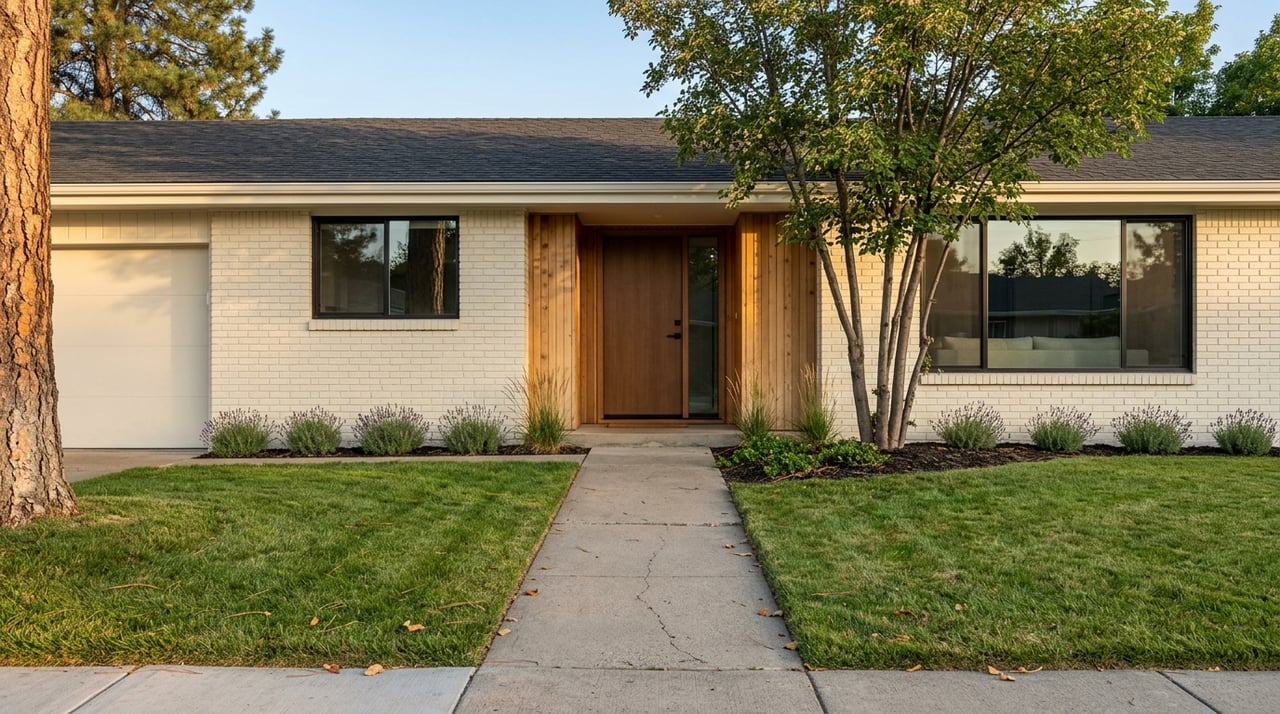
If you’re getting ready to sell an older home in Littleton, it can be hard to know where to spend your time and money. You want your home to look its best, but you also do not want to erase the charm that makes it stand out. The good news is that older homes here often show best when they feel cared for, functional, and full of character. A smart pre-list plan can help you focus on the updates, disclosures, and staging choices that matter most. Let’s dive in.
Start With Littleton’s Older-Home Advantage
Older homes in Littleton often appeal to buyers because they offer details that newer homes may not have, like original trim, built-ins, hardwood floors, and fireplaces. Those features can create warmth and personality when they are presented well. In many cases, buyers respond better to a home that feels authentic and well maintained than one that feels over-renovated.
That is especially true if your property is designated as a historic landmark or sits within a historic district. Littleton’s preservation code is designed to retain and enhance historic properties, and some exterior changes may require city review and a Certificate of Appropriateness. If you are considering exterior work, it is wise to confirm the rules before you start.
Focus on Repairs Before Big Remodels
When you prepare an older home for the market, the goal is usually not a full transformation. Instead, the best return often comes from solving obvious issues, refreshing tired spaces, and making the home feel clean and move-in ready. That approach helps buyers see the value without distracting them with unfinished projects or mismatched upgrades.
Large remodels do not always return their full cost at resale. Minor, strategic updates often make more sense, especially when they support the home’s original character. If you are deciding where to begin, start with the items buyers will notice first.
Refresh Paint and Finishes
Fresh paint is one of the simplest ways to improve how an older home feels. Neutral colors can brighten dim rooms, tone down wear, and create a cleaner backdrop for photos and showings. This is especially helpful in homes with older finishes, since neutral paint can make original details feel intentional instead of dated.
Small finish updates can also help. Think repaired trim, clean caulk lines, updated light-touch hardware, and a polished overall look. You do not need to chase trends to make a strong impression.
Refinish Hardwood When Possible
If your home has original hardwood floors and they are still in sound condition, refinishing them may be a better choice than replacing them. Buyers often appreciate original materials when they are well cared for. A clean, refinished floor can make the entire home feel more solid and inviting.
This is one of the updates that can preserve character while still improving presentation. It also helps support the kind of timeless look that works well in older Littleton homes.
Improve Curb Appeal First
Your front entry and exterior set the tone before a buyer ever walks inside. A freshly painted front door, tidy landscaping, clean walkways, and a well-kept exterior can all help your home feel more welcoming. If your roof is visibly worn or nearing the end of its life, that is also worth addressing early.
For designated historic properties, be careful with exterior materials, windows, porches, and other visible features. Some changes may need city review, so it is best to check first rather than create delays later.
Keep Kitchen and Bath Updates Light
Kitchens and bathrooms matter, but older homes do not always need full gut renovations before listing. Minor improvements often go further than sellers expect. Fresh paint, updated fixtures, repaired grout, better lighting, and a thorough deep clean can make these rooms feel far more appealing.
A full remodel may be worth considering only if the space is truly not functioning well. Otherwise, focused updates are often the smarter move from a resale standpoint.
Address Draftiness and Mechanical Wear
If your home feels drafty, under-insulated, or mechanically tired, buyers may notice that right away. In some cases, practical improvements like insulation upgrades can be more valuable than purely cosmetic changes. These upgrades can help the home feel more comfortable and better maintained.
You do not need to modernize every system at once. The key is to identify the issues that could affect buyer confidence and handle those first.
Handle Disclosures and Records Early
One of the best things you can do before listing an older home is gather information early. Colorado’s seller disclosure form asks for a wide range of property details, and older homes often have a longer history to document. The more prepared you are, the smoother the listing process tends to be.
Colorado brokers must disclose known adverse material facts, including material defects and environmental hazards required by law. In practical terms, that means known leaks, failing systems, or unpermitted work should be repaired, documented, or clearly disclosed before your home goes live.
What Colorado Sellers Are Commonly Asked to Disclose
Colorado’s residential seller disclosure form asks about many items that often come up in older homes, including:
- Roof age and leaks
- Foundation or wall issues
- Window leaks
- Electrical service and aluminum wiring
- Smoke detectors and carbon monoxide alarms
- Garage-door openers
- Heating systems and fireplaces
- Water heaters and water shutoff location
- Water supply and sewer lines
- Septic details, if applicable
- Flooding or drainage issues
- Hazardous materials such as asbestos or solvents
- Radon tests, concentrations, and mitigation systems
- Written reports or claims involving roofing, soils, water, sewer, or engineering conditions
Gathering records in advance can save time once showings begin. If you have invoices, permits, inspection reports, or service records, keep them organized and easy to access.
Check Radon and Safety Devices
Radon is a significant issue in Colorado, and the Colorado Department of Public Health and Environment says elevated levels are found in one out of every two Colorado homes. The state recommends that everyone test their home. Colorado real estate forms also include radon disclosure language and require a state brochure.
It is also smart to verify that your carbon monoxide alarms are installed and working if your home falls under the qualifying requirements. This is a simple step, but it helps avoid preventable issues during the transaction.
Prepare for Lead-Paint Disclosure
If your home was built before 1978, federal law requires sellers to disclose any known information about lead-based paint and provide the EPA pamphlet. This rule does not require you to test for or remove lead paint simply because you are selling. It does mean you should be ready with the required disclosure materials before listing.
Gather Utility and System Records
If your home has a septic system, well, or another nonstandard utility setup, pull those records together early. Colorado’s disclosure form specifically asks for information like permits, inspection reports, pumping dates, and service-provider details. Buyers tend to feel more confident when this information is ready and clear.
Stage Character So Buyers Notice It
Staging an older home is not about making it look brand-new. It is about helping buyers picture themselves living there while making the home feel bright, clean, and intentional. According to NAR, staging helps buyers visualize a property as their future home, and many agents report that it improves that connection.
For older Littleton homes, the goal is to let architectural details stand out. Built-ins, trim, hardwoods, and fireplaces should be visible, not hidden behind clutter or oversized furniture.
Prioritize the Most Important Rooms
The rooms that tend to matter most are the living room, primary bedroom, and kitchen. These spaces often shape a buyer’s first impression and are among the most commonly staged areas. If your time or budget is limited, focus there first.
Make each space feel open, calm, and easy to understand. Buyers should be able to see the room’s purpose right away.
Use Simple Staging Basics
A few practical staging steps can make a major difference:
- Pack away personal photos
- Remove toiletries and medicines
- Store valuables out of sight
- Use fresh towels and bedding
- Remove bulky furniture that blocks flow
- Keep closets about half full
- Avoid bold decor that distracts from the home itself
- Deep clean every room
These basics matter even more in older homes, where buyers may already be paying close attention to condition and layout. A tidy, balanced presentation helps them focus on the home’s strengths.
Invest in Strong Marketing Visuals
Many buyers will first evaluate your home online, so presentation does not stop with in-person staging. High-quality photography, video, and virtual tours can make a real difference in how your home is perceived. For a character-rich older property, strong visuals help tell the right story from the start.
Build a Smart Pre-List Plan
Selling an older home in Littleton is usually less about doing everything and more about doing the right things in the right order. A thoughtful plan helps you avoid overspending while still improving buyer confidence. It also gives you a clearer path through disclosures, prep work, and launch timing.
A practical pre-list checklist often includes:
- Confirm whether the home is in a designated historic district or landmark area
- Review any exterior changes before starting work
- Repair visible deferred maintenance
- Refresh paint and worn finishes
- Refinish original hardwood if needed
- Improve curb appeal and front entry appearance
- Test for radon and gather related records
- Verify carbon monoxide alarms are operational
- Prepare lead-paint disclosures for pre-1978 homes
- Organize permits, invoices, and service records
- Declutter and stage key rooms
- Schedule professional listing photos and marketing assets
The right strategy depends on your home’s condition, age, and level of historic character. In many cases, the most effective preparation is focused, not flashy.
If you are thinking about selling an older home in Littleton, a neighborhood-specific plan can help you protect what makes your property special while positioning it well for today’s buyers. For tailored guidance, pricing insight, and a thoughtful pre-list strategy, reach out to The Corbitt Group.
FAQs
What should you fix before selling an older home in Littleton?
- Focus first on visible maintenance issues, safety items, tired paint, curb appeal, and functional concerns like leaks, worn flooring, draftiness, or aging systems that could affect buyer confidence.
Do historic homes in Littleton need approval for exterior changes?
- If your property is a designated landmark or located in a historic district, some exterior construction, alteration, relocation, or demolition work may require city review and a Certificate of Appropriateness.
Do pre-1978 homes in Littleton require lead-paint disclosure when sold?
- Yes. If your home was built before 1978, federal law requires you to disclose known lead-based paint information and provide the required EPA pamphlet to buyers.
Should you remodel the kitchen before selling an older Littleton home?
- Usually, light-touch improvements make more sense than a full remodel unless the kitchen is truly not functioning well. Minor upgrades often offer a better resale outcome than major renovations.
Is radon important when selling a home in Littleton, Colorado?
- Yes. The Colorado Department of Public Health and Environment says elevated radon levels are found in one out of every two Colorado homes and recommends that everyone test their home.
How should you stage an older home in Littleton for buyers?
- Keep the home clean, decluttered, and simply furnished so original details like hardwoods, trim, built-ins, and fireplaces are easy to see and appreciate.