If you are thinking about selling in Greenwood Village, you may be wondering whether the process will move fast, how much prep your home will need, and what buyers will expect once your listing goes live. That uncertainty is normal, especially in a market where homes can attract strong interest but pricing still needs to reflect current conditions. The good news is that when you understand the steps ahead, you can make better decisions from day one. Let’s dive in.
Greenwood Village market expectations
Greenwood Village is a small, high-value market in Arapahoe County with a mix of residential neighborhoods, business parks, and location-specific lifestyle advantages. The city spans about 8.3 square miles and has 15,691 residents, 6,922 housing units, and a 2023 median household income of $145,781. That smaller footprint means buyers often pay close attention to details like neighborhood positioning, commute convenience, and public school district boundaries.
Current market numbers suggest a listing environment that is active but disciplined. For the three months ending May 2026, the median sale price in Greenwood Village was $1,582,553, down 6.4% year over year. Homes sold in an average of 17 days, with 59 homes sold in May, and many properties still received multiple offers even as the average sale closed about 2% below list price.
For you as a seller, that usually means two things at once. Well-prepared homes can move quickly, but buyers are still watching value closely. A strong result often comes from matching presentation and pricing to today’s comparable sales, not last year’s expectations.
Start with pricing and positioning
Before your home is photographed or shown, the first big step is deciding how it should be positioned in the market. In Greenwood Village, that goes beyond square footage and bedroom count. Buyers often compare homes by location within the city, access to major employment corridors, lot characteristics, and the public school district assigned to the address.
That is one reason a neighborhood-level pricing strategy matters so much here. Two homes with similar specs can perform differently based on street appeal, updates, privacy, and how buyers perceive the surrounding area. A thoughtful pricing approach helps generate interest early, which is especially important in a market where showings and offers can happen quickly.
Expect a front-loaded listing process
In Colorado, the listing process starts with formal paperwork and clear written disclosures. Brokers must disclose the working relationship in writing, whether that is a single agency or transaction broker relationship, and they must use Commission-approved forms unless a lawyer or principal drafts the document. Current 2026 forms include the Exclusive Right To Sell Listing Contract, Seller’s Property Disclosure for residential property, Closing Instructions, and other transaction documents.
This matters because your listing agreement sets the structure for the sale. It covers services, compensation, offer presentation, communication, and other core responsibilities during the transaction. In plain terms, the paperwork is not just a formality. It shapes how your sale will be managed from start to finish.
DORA also advises sellers to route negotiations through the broker, approve advertising before it is used, and grant the broker a license to use seller-supplied photos, videos, renderings, and similar materials. Because of that, the smartest time to organize property details, prior documents, and media is before the listing goes live.
Gather documents early
One of the easiest ways to reduce stress later is to gather your paperwork at the beginning. That can include records for improvements, utility or system details, HOA information if applicable, and anything else that helps present the property accurately. When buyers ask questions, quick and organized answers can keep momentum moving.
If your home is in a common-interest community, Colorado law requires the seller, upon request, to provide the buyer with governing and financial documents or authorize the association to provide them. If your property is within a metropolitan district organized on or after January 1, 2000, you must also provide the district website and related information through the seller’s property disclosure or another concurrent writing.
If your home was built before 1978, federal law also requires disclosure of known lead-based paint and known lead-based paint hazards before sale. Older homes are not automatically a problem, but they often require more document readiness. Preparing that information early can help avoid delays once a buyer is under contract.
Prepare the home for photos and showings
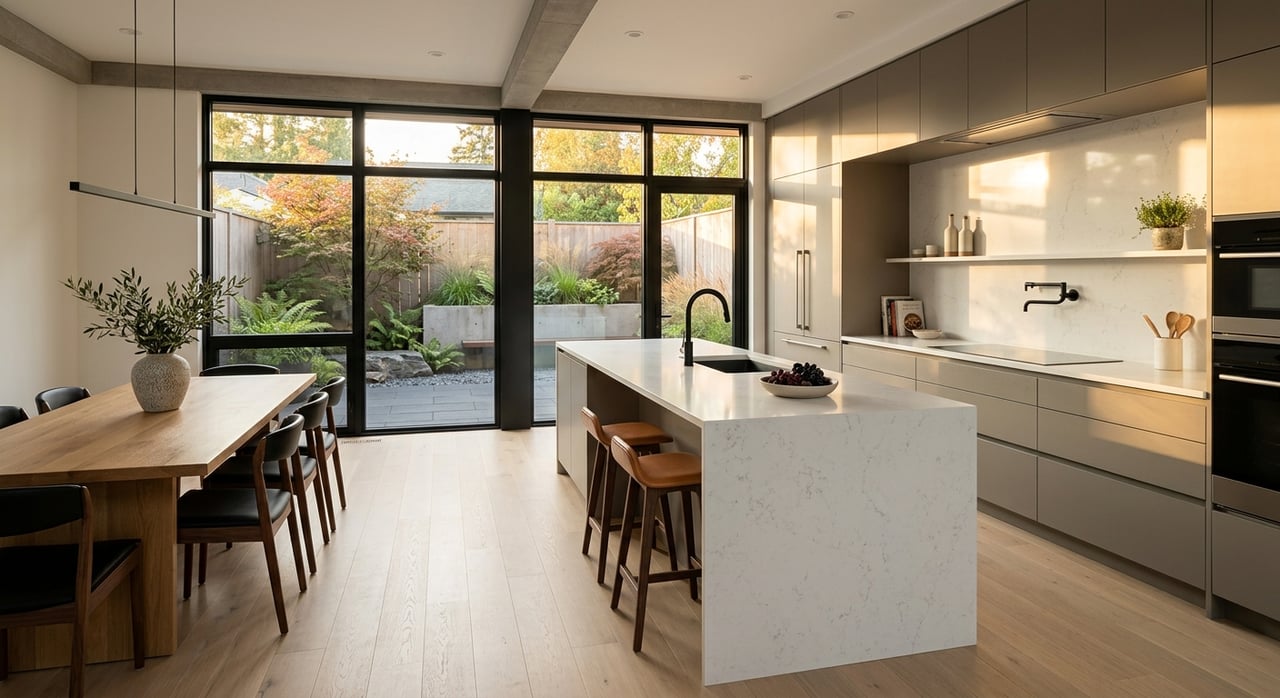
In Greenwood Village, presentation is part of your pricing strategy. Buyers shopping at higher price points often compare homes quickly online before deciding what to see in person. That means condition, staging, and visual presentation can influence both showing activity and the quality of offers.
National 2025 staging data found that 29% of sellers’ agents said staging increased the dollar value offered by 1% to 10%, and 49% said staging reduced time on market. Even in a city where homes already average 17 days to sell, those details can still matter. Clean sightlines, decluttering, and polished photography can help your home stand out in the first few days, which are often the most important.
A good pre-listing plan may include:
- Decluttering and depersonalizing key rooms
- Touch-up paint and minor repairs
- Landscape cleanup and exterior refresh
- Deep cleaning before photos and showings
- Coordinating staging where it adds value
- Gathering accurate feature notes for marketing
The goal is not to make your home look generic. It is to make it easy for buyers to understand the home’s layout, condition, and overall appeal.
Marketing should feel polished and broad
Once the home is ready, your listing should launch with professional, consistent marketing. For many Greenwood Village sellers, especially in higher price ranges, that means more than basic listing photos. A full-service listing package can include photography, property video, drone footage, virtual tours, email marketing, and digital distribution designed to create broad exposure from the start.
That wider reach can be especially important for luxury or relocation-oriented buyers. Through Slifer Smith & Frampton and Forbes Global Properties, listings can benefit from both local market expertise and premium syndication. For sellers, that means your home can be marketed with neighborhood-specific insight while also being positioned for a broader audience.
Showings may start quickly
Because Greenwood Village remains a competitive market, you should be ready for early activity once the listing goes live. The average pace of 17 days on market does not mean every home sells instantly, but it does mean the first week often matters a great deal. Buyers who have been waiting for the right property may move fast when one matches their criteria.
That makes flexibility important. You may need to keep the home show-ready, approve showing windows, and be prepared for quick feedback from interested buyers. If your home is priced and presented well, momentum can build early.
Offers bring a new phase
Receiving an offer is exciting, but it also marks the start of the most detailed part of the sale. In Colorado, purchase contracts are written and time-sensitive. They commonly include contingencies related to financing, appraisal, inspection, survey, title review, and HOA documents.
This is the stage where terms matter just as much as price. A strong offer is not always the highest number on paper. Closing timeline, financing strength, possession date, contingency structure, and the buyer’s ability to move cleanly through deadlines can all affect the outcome.
For many sellers, the contract period is where repair requests, credits, and objection deadlines become real. That is why a well-prepared home often has an advantage. The fewer surprises that surface after contract, the smoother the path to closing tends to be.
Inspections, escrow, and deadlines
Once a home is under contract, earnest money is typically deposited and held in escrow by a neutral third party. Escrow is designed to protect both sides while the transaction moves through inspections, title work, and financing steps. It is a standard part of the process, but it also introduces important deadlines that need close attention.
Buyers use inspections to identify major issues before closing. Depending on what they find and what the contract allows, they may request repairs, ask for credits, or use their contract rights to object. This is another reason why pre-listing preparation matters. Homes that have already been thoughtfully reviewed and readied are often less likely to hit avoidable friction during this phase.
Closing is the final handoff
As the sale moves toward closing, the focus shifts to final title work, signed documents, and possession details. Colorado contracts set the closing date, identify the title and escrow company, and define when title and possession transfer. While possession often happens on the closing date, the parties can agree to a different timing if needed.
In Arapahoe County, the Clerk and Recorder handles recording and document copies, so the deed is officially entered into the county record after closing. That final step completes the transaction. For you, the goal is a closing that feels orderly, predictable, and free of last-minute surprises.
What sellers should plan for overall
If you are listing a home in Greenwood Village, expect the process to be more front-loaded than many people assume. The biggest wins usually happen before the first showing. Pricing, paperwork, preparation, and marketing all set the tone for what happens next.
In a market where homes can sell quickly but buyers still negotiate carefully, preparation is what creates leverage. When your home is positioned well from the start, you are more likely to attract serious attention, move through contract with fewer issues, and close with confidence.
If you are thinking about selling in Greenwood Village and want a clear plan tailored to your home, neighborhood, and timing, The Corbitt Group can help you prepare, price, and market your property with a high-touch, local-first approach.
FAQs
What should you do first before listing a home in Greenwood Village?
- Start by reviewing pricing, gathering property documents, and understanding the Colorado listing paperwork that will guide the sale.
How fast do homes sell in Greenwood Village?
- Based on Redfin data for the three months ending May 2026, homes sold in an average of 17 days.
What disclosures do Greenwood Village home sellers need in Colorado?
- Sellers should expect written brokerage relationship disclosures, Commission-approved contract forms, a residential seller’s property disclosure, and additional community or metro district information when applicable.
Does an HOA affect selling a home in Greenwood Village?
- Yes. If the home is in a common-interest community, the seller may need to provide or authorize delivery of the association’s governing and financial documents.
What happens after you accept an offer on a Greenwood Village home?
- The transaction typically moves into escrow and deadline management for inspections, financing, appraisal, title review, and other contract contingencies.